

Is Your Hair Thinning or Just Naturally Fine? Let’s Find Out
Some mornings, the mirror can spark a quiet panic — your ponytail feels thinner, your part looks wider, and suddenly every strand on your brush seems like a warning sign. But here’s the thing: not every case of light or delicate hair is a sign of hair loss. Many people naturally have fine hair, while others may be experiencing early signs of thinning without even realizing it.
Understanding the difference between naturally fine hair and actual hair thinning can help you act early, make informed choices, and avoid unnecessary worry. And if it turns out that thinning is the issue, early professional hair loss treatment in Singapore can make a big difference in restoring both your hair health and your confidence.
Fine Hair vs. Thinning Hair: What’s the Difference?
Fine hair refers to the thickness of each individual strand. Someone with fine hair might have plenty of strands, but each is naturally smaller in diameter. This can make the hair appear limp, flat, or less voluminous, even when it’s perfectly healthy.
Thinning hair, on the other hand, involves a reduction in the number of strands on the scalp. This can be gradual and subtle at first, showing up as less density at the crown or a widening part. Over time, thinning may progress and lead to visible scalp areas or balding patches.
Quick tip to tell the difference: If your ponytail feels just as thick as it always has but your hair tends to get weighed down easily, it’s likely fine hair. If your ponytail feels noticeably smaller or your part seems to be widening, thinning might be happening.
Common Signs of Hair Thinning You Shouldn’t Ignore
Even mild thinning can be easy to overlook at first. Watch out for these early signs:
- A widening part – The line where your hair naturally parts may begin to look broader over time.
- Increased shedding – Finding more hair on your brush, pillow, or in the shower drain.
- Changes in volume – Your ponytail or updo feels less full than before.
- Visible scalp – Particularly noticeable under bright light or when your hair is wet.
- Slower regrowth – Tiny baby hairs around the hairline may stop appearing as frequently.
Spotting these changes early gives you a better chance to address them before they progress. Many people assume they’re simply “aging” or “just stressed,” but early intervention often makes a significant difference.
What Causes Hair Thinning?
Thinning hair isn’t just about getting older. A variety of factors can contribute to it — some temporary and others more persistent.
1. Genetics
The most common cause is hereditary hair loss, also known as androgenetic alopecia. This can affect both men and women, usually presenting as gradual thinning at the crown or hairline.
2. Hormonal Changes
Events like pregnancy, menopause, thyroid issues, or birth control changes can all disrupt your hair growth cycle, sometimes causing shedding or slower regrowth.
3. Stress
Chronic stress can push more follicles into a “resting” phase, leading to increased shedding, which is often a condition called telogen effluvium.
4. Nutritional Deficiencies
Iron, vitamin D, zinc, and protein are essential for strong, healthy strands. A lack of these nutrients can affect both hair strength and growth.
5. Hairstyling Habits
Tight ponytails, frequent heat styling, chemical treatments, and rough brushing can all damage the hair shaft or even the follicle, causing breakage or shedding over time.
6. Medical Conditions
Underlying health issues, including scalp infections, autoimmune diseases, or hormonal disorders, can also lead to hair thinning.
How to Tell if It’s Just Fine Hair
If you’ve had fine hair your whole life, your scalp likely won’t show sudden changes in density. Some telltale characteristics of naturally fine hair include:
- Hair that tangles or gets oily easily.
- A lightweight, soft texture.
- Difficulty holding curls or volume.
- A consistent hairline and part over time.
If these traits have always been present and haven’t changed, chances are, your hair is naturally fine rather than thinning.
But even naturally fine hair can thin over time, so keeping an eye on changes is key.
Ways to Support Healthy Hair Growth
Whether your hair is naturally fine or starting to thin, the right care can make a visible difference. Here are some helpful strategies:
- Adopt gentle hair care practices: Use sulphate-free shampoos, avoid harsh brushing, and limit heat styling.
- Nourish your body: Ensure your diet is rich in hair-supporting nutrients like protein, iron, and vitamins.
- Manage stress: Techniques like mindfulness, yoga, or regular exercise can support healthy hair cycles.
- Avoid tight hairstyles: Give your hair and scalp breathing space by steering clear from tight hairstyles that might cause hairfall.
- Seek professional advice: If changes happen quickly, expert evaluation can identify underlying issues early.
For persistent thinning or sudden shedding, professional treatment by a reputable aesthetic clinic in Singapore can provide targeted solutions beyond over-the-counter products.
When to Seek Professional Help
If your hair loss is noticeable, sudden, or accompanied by other symptoms like itching or redness, it’s wise not to wait it out. Professional assessment can help you:
- Identify the root cause.
- Determine whether the thinning is temporary or progressive.
- Explore treatment options tailored to your scalp and hair type.
Remember: Hair loss is common and treatable in many cases, especially when addressed early.
Conclusion: Know Your Hair, Own Your Confidence
Hair changes can be emotional, but they don’t have to control your self-esteem. Understanding the difference between naturally fine hair and actual thinning empowers you to take meaningful action. Whether it’s adjusting your care routine or exploring proven treatments, your hair health is worth investing in.
If you’re looking for expert guidance, The Clifford Clinic offers personalized hair loss treatment in Singapore. Our experienced team can help assess your scalp, identify the cause of thinning, and create a treatment plan that’s designed to restore both your hair and your confidence.
Effective Hair Loss Treatments at The Clifford Clinic
At The Clifford Clinic, hair restoration goes beyond quick fixes; it’s about combining advanced technology with individualized care. Here are some of the treatments offered:
The Follicular Unit Extraction (FUE) method gently transfers healthy hair follicles from a donor site to areas with thinning or balding. It leaves minimal scarring and delivers a natural-looking, fuller head of hair.
This ultrasound-based therapy enhances the absorption of nourishing serums deep into the scalp. It strengthens follicles, supports healthier growth, and requires no downtime.
This non-invasive laser treatment works at a cellular level to rejuvenate and stimulate dormant hair follicles, improving density and strength over time.
4. Exosomes Hair Loss Treatment
Exosome therapy leverages powerful growth factors to repair and reactivate hair follicles, promoting stronger, denser growth by improving scalp health at a deep cellular level.
Take the first step toward stronger, fuller hair with a personalized consultation at The Clifford Clinic. Because your hair deserves care that’s as unique as you are.
Author Bio
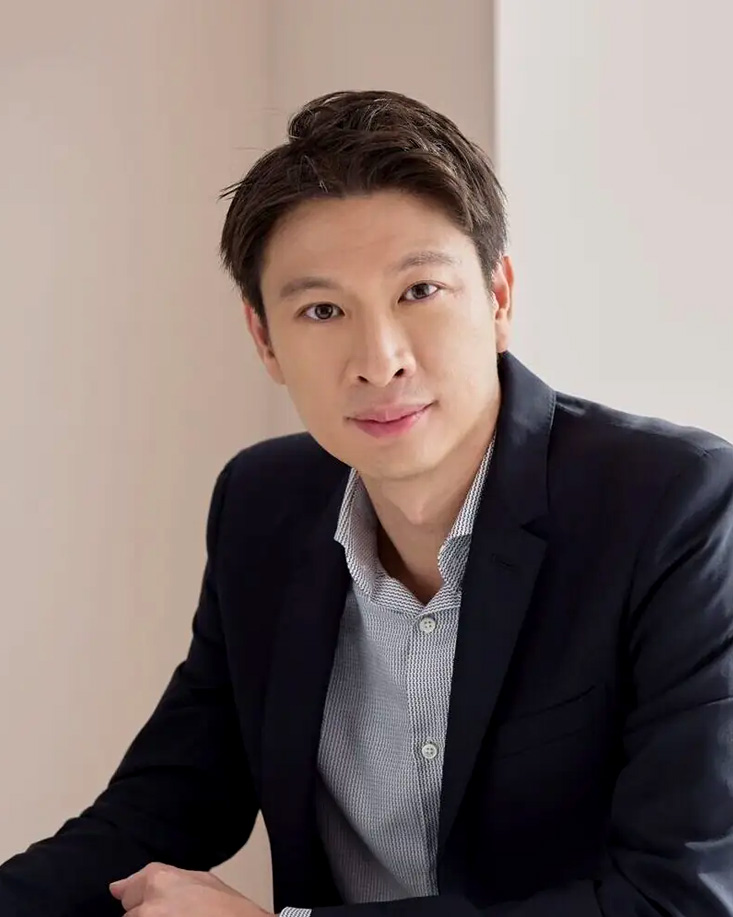
Dr Gerard Ee

Dr Gerard Ee is the Medical Director of The Clifford Clinic in Singapore. He earned his medical degree from St George's University of London and built his surgical experience across the Singapore General Hospital, National University Hospital, and Mount Sinai Hospital in New York. He holds Membership of the Royal College of Surgeons (Edinburgh) and a Postgraduate Diploma in Dermatology (Cardiff), and is fully accredited in aesthetic procedures including botulinum toxin, fillers, lasers, and light therapies. A strong advocate of minimally invasive, natural-looking results, Dr Ee has published in several medical and scientific journals and presented his research in cities including Taipei, Las Vegas, and London.
See all posts by Dr Gerard Ee »