

Does Wearing Hats Cause Hair Loss? Myth vs. Science
You’ve probably heard it before: wear a hat too often and your hair will start falling out. From baseball caps to beanies, headwear has long been blamed for thinning hair, receding hairlines, and even bald spots. But is there any truth to this claim, or is it just another long-standing hair myth passed down through generations?
Let’s separate fact from fiction and explore what actually causes hair loss, what role hats play (if any), and how to protect your scalp and strands with confidence.
Where Did the Hat and Hair Loss Myth Come From?
The belief that hats cause hair loss likely stems from a few observations. Some people notice thinning hair in areas where hats sit snugly, such as the crown or hairline. Others associate sweating under a hat with clogged pores or “suffocating” hair follicles.
While these concerns sound logical on the surface, they oversimplify the science behind hair loss and overlook how hair growth really works.
How Hair Actually Grows (And Why It Falls Out)
Hair growth occurs beneath the scalp, inside follicles that are regulated by genetics, hormones, blood supply, and overall scalp health. Each strand goes through a natural cycle of growth, rest, and shedding.
Most common forms of hair loss, including male and female pattern hair loss, are driven by genetic sensitivity to hormones like dihydrotestosterone (DHT). Stress, medical conditions, nutritional deficiencies, and inflammatory scalp conditions can also disrupt the growth cycle.
External factors like hats sit on the surface of the scalp. They do not directly interfere with follicle function deep beneath the skin.
So, Do Hats Cause Hair Loss?
The short answer: no, wearing hats does not cause hair loss.
Simply placing a hat on your head does not damage hair follicles or stop new hair from growing. Follicles receive oxygen and nutrients through the bloodstream, not from the air. Hair does not need to “breathe” for growth to occur.
However, there are a few indirect scenarios where hats may contribute to scalp issues if worn improperly or without good hygiene.
When Hats Can Affect Hair and Scalp Health
1. Excessive Friction and Tension
Very tight hats that rub constantly against the same areas may cause hair breakage over time. This is not true hair loss from the root, but rather mechanical damage to the hair shaft.
In rare cases, prolonged tension can contribute to traction-related hair thinning, especially if combined with tight hairstyles underneath hats.
2. Poor Hat Hygiene
Wearing unwashed hats repeatedly can trap sweat, oil, bacteria, and styling product residue against the scalp. This may lead to scalp irritation, itchiness, or folliculitis, which can temporarily worsen shedding.
While this doesn’t cause permanent hair loss, an unhealthy scalp environment can disrupt optimal hair growth.
3. Excess Heat and Moisture
Prolonged heat and moisture under non-breathable hats may exacerbate existing scalp conditions such as dandruff or seborrheic dermatitis. These conditions can increase shedding when left untreated.
Again, the issue isn’t the hat itself, but how it’s worn and maintained.
What Hats Do Not Do
To clear up common misconceptions, hats do not:
- Block oxygen to hair follicles
- Cause genetic hair loss
- Trigger hormonal changes linked to baldness
- Permanently damage hair roots
If hats truly caused hair loss, we would see significantly higher baldness rates among individuals who wear headgear daily, such as athletes, construction workers, or religious communities. This simply isn’t the case.
Why Hair Loss Often Gets Blamed on Hats
Hair loss usually progresses gradually. When thinning becomes noticeable, people often look for recent habits to blame, including wearing hats more frequently. In reality, the underlying cause may have been developing for years.
By the time shedding is visible, follicles may already be in a weakened state due to genetics, hormones, or scalp health issues unrelated to headwear.
How to Wear Hats Without Worry
If you enjoy wearing hats, there’s no need to stop. A few simple habits can help protect your scalp and hair:
- Choose breathable materials like cotton or mesh
- Avoid overly tight hats that cause friction
- Wash hats regularly to remove oil and bacteria
- Give your scalp breaks from prolonged coverage
- Keep your scalp clean and well-nourished
These steps support scalp comfort but won’t determine whether you experience hair loss.
When Hair Loss Signals Something More
If you’re noticing increased shedding, widening part lines, or thinning at the crown, it’s unlikely your hat is the culprit. These changes often indicate an underlying hair or scalp condition that benefits from professional evaluation.
Early assessment allows for targeted care and more effective outcomes, especially when hair follicles are still active.
Final Thoughts
Wearing hats does not cause hair loss. While poor hygiene or excessive friction may affect scalp comfort or hair quality, true hair loss is driven by internal factors such as genetics, hormones, and overall scalp health.
If hair thinning is becoming a concern, focusing on evidence-based hair loss treatment rather than myths is the best way forward.
Personalized Hair Loss Care at The Clifford Clinic
At The Clifford Clinic, hair restoration is guided by medical expertise and a deep understanding of individual scalp and hair needs. Each plan is thoughtfully designed after assessing hair loss patterns, scalp health, and lifestyle factors, ensuring that treatment addresses the root cause rather than just the symptoms.
This minimally invasive technique involves transferring individual hair follicles from donor areas to regions experiencing thinning. With precise placement and natural-looking results, FUE is suitable for individuals seeking a long-term solution with minimal downtime.
Bellasonic therapy uses ultrasound energy to enhance the absorption of nutrient-rich serums into the scalp. By supporting circulation and follicle activity, this needle-free treatment promotes a healthier scalp environment for stronger hair growth.
Using targeted laser energy, this treatment stimulates cellular activity within the follicles and improves blood flow to the scalp. Over time, regular sessions can help strengthen existing strands and encourage gradual thickening.
4. Exosomes Hair Loss Treatment
Exosome therapy delivers growth factors directly to the scalp to revitalise weakened follicles and support regeneration. It can improve hair texture, density, and overall scalp health, making it a valuable option on its own or alongside other treatments.
Your hair deserves care that is grounded in medical knowledge and tailored to your needs. If you’re exploring a trusted hair loss treatment, schedule a consultation with The Clifford Clinic to receive personalized guidance and take the next step toward healthier, fuller hair.
Author Bio
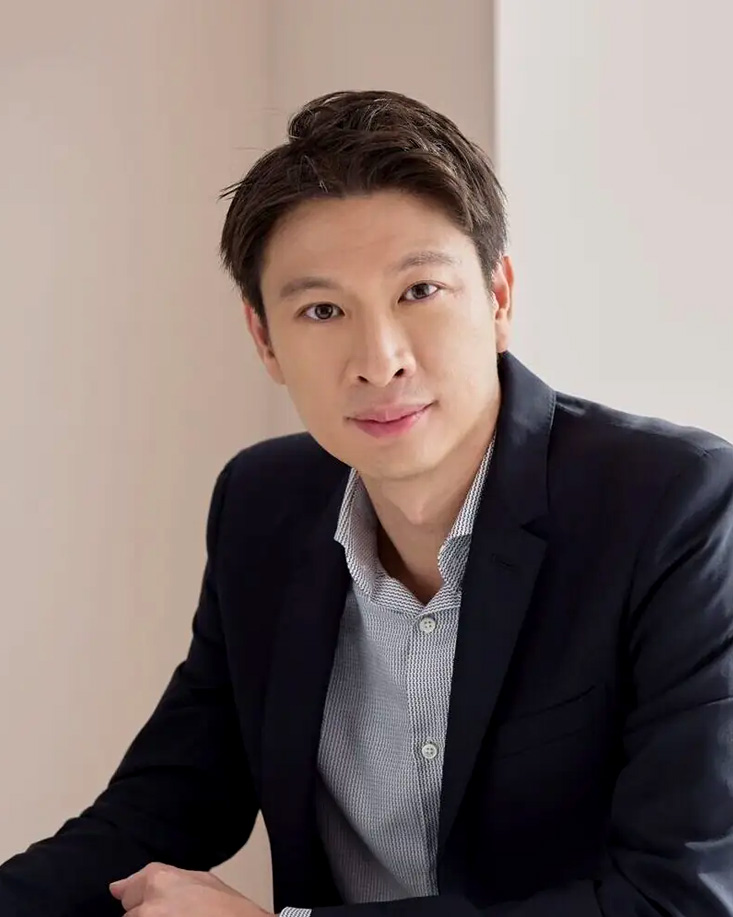
Dr Gerard Ee

Dr Gerard Ee is the Medical Director of The Clifford Clinic in Singapore. He earned his medical degree from St George's University of London and built his surgical experience across the Singapore General Hospital, National University Hospital, and Mount Sinai Hospital in New York. He holds Membership of the Royal College of Surgeons (Edinburgh) and a Postgraduate Diploma in Dermatology (Cardiff), and is fully accredited in aesthetic procedures including botulinum toxin, fillers, lasers, and light therapies. A strong advocate of minimally invasive, natural-looking results, Dr Ee has published in several medical and scientific journals and presented his research in cities including Taipei, Las Vegas, and London.
See all posts by Dr Gerard Ee »