

Why Hair Loss Happens in Menopause—and How to Treat It
While discussions about midlife hair loss often focus on men, a substantial number of women face similar challenges—particularly during menopause. For many, noticing the initial signs of thinning hair can be distressing. However, menopause-related female hair loss, often linked to hormonal shifts, is typically reversible with informed care. By understanding the underlying causes and adopting targeted strategies, women can effectively manage these changes, maintain healthy, resilient hair, and seek the right treatments at an aesthetic clinic in Singapore.
If you’re observing increased shedding or a change in hair texture, you may wonder how to address these symptoms proactively. This article examines the science behind menopausal hair changes and outlines actionable solutions to mitigate their impact.
How Menopause and Perimenopause Affect Hair Health
Hair thinning, fragility, and loss are prevalent among women transitioning through perimenopause and menopause, with nearly 50% experiencing noticeable changes. While losing 50–100 hairs daily is normal, hormonal fluctuations during this phase can escalate shedding to 300 or more strands per day. Prolonged shedding may lead to visible thinning or patchiness.
Estrogen and progesterone play pivotal roles in regulating hair growth cycles. Higher levels of these hormones prolong the anagen (growth) phase, promoting thicker, faster-growing hair. During perimenopause, declining estrogen and progesterone levels reduce follicle size, leading to finer strands and overall thinning. Simultaneously, a relative rise in androgens (male hormones) can trigger female pattern hair loss, characterized by thinning at the crown and hairline, while paradoxically stimulating facial hair growth.
This hormonal imbalance often results in telogen effluvium, a temporary shedding phase where hair prematurely enters the resting (telogen) stage. Over time, this can diminish hair density.
Additional Contributors to Menopausal Hair Loss
Beyond hormonal imbalance, several factors common during the menopausal period can aggravate hair thinning:
1. Stress and Cortisol: The menopausal transition itself can heighten stress, elevating cortisol levels and disrupting natural hair growth rhythms.
2. Nutrient Deficiencies: Iron, vitamin D, B vitamins, zinc, and biotin deficiencies—common due to premenopausal heavy bleeding or dietary gaps—weaken hair structure.
3. Thyroid Dysfunction: Hormonal shifts may provoke hypothyroidism, exacerbating dryness, brittleness, and breakage. Symptoms like fatigue or weight gain warrant thyroid screening.
Recognizing Menopausal Hair Loss
Hair thinning during menopause is typically gradual—often months before you notice a change in volume. Key indicators include:
- Finding more strands in your brush or shower drain
- Discovering hair on your pillow each morning
- Increased brittleness or dryness
- Hair that breaks more easily
- Oily roots between washes
- Overall reduction in scalp coverage, especially at the crown or along the part
Visible changes may manifest as sparse patches at the crown or frontal hairline.
Managing Menopausal Hair Loss: A Proactive Approach
1. Promote Hair Regrowth
- Topical Solutions: Over-the-counter 5% minoxidil can slow shedding and extend the growth phase. For personalized guidance, consider consulting a clinic specializing in hair loss treatment in Singapore to explore advanced therapies.
- LED Light Therapy: Studies, including one in the Annals of Dermatology, show red light (660 nm) stimulates follicles and reverses miniaturization. Optimal results require four 20-minute weekly sessions, achievable with at-home devices or in-clinic treatments.
2. Prioritize Scalp Health
A clean, nourished scalp supports follicle vitality. Incorporate serums with niacinamide (to boost collagen), ceramides (to reinforce barriers), and caffeine (to invigorate follicles). Avoid heavy products that clog pores.
3. Enhance Hair Density
Thickening shampoos with biotin, hydrolyzed proteins, or kaolin clay temporarily plump strands. For lasting volume, pulsed red light settings may improve shaft thickness over time.
4. Improve Hair Texture
Menopausal dryness often leads to frizz. Deep conditioners with coconut or avocado oil restore moisture, while in-salon keratin treatments smooth cuticles for sleeker, more manageable hair.
Conclusion
Menopause-related hair changes, while unsettling, are manageable with a blend of science-backed treatments and tailored care. By addressing hormonal, nutritional, and lifestyle factors, women can preserve their hair’s vitality and confidence during this transition. Early intervention and a consistent routine are key to mitigating long-term effects.
Revive Your Radiance: Expert Hair Restoration at The Clifford Clinic
Hair loss can leave you feeling powerless, but transformative solutions await. The Clifford Clinic is your partner in restoring both your hair and confidence, offering medically proven treatments designed to rejuvenate your scalp and stimulate growth. Led by our expert aesthetic doctors, we craft bespoke plans using cutting-edge technology, ensuring every step aligns with your goals. Don’t let hair loss dictate your narrative—schedule a consultation now and embark on a journey to reclaim your vibrant, authentic self with our proven treatments such as:
Follicular Unit Extraction (FUE) revolutionizes hair restoration by meticulously extracting individual follicular units from donor zones like the scalp or body. This precision ensures virtually undetectable scarring, allowing patients to return to daily life within 24 hours. Ideal for those with sparse donor hair, FUE maximizes graft availability while preserving a natural aesthetic.
Bellasonic harnesses dual-frequency ultrasound to generate cavitation bubbles, gently disrupting the skin’s surface to amplify topical product absorption. This creates micro-pathways for serums to penetrate deeper layers, supercharging skincare efficacy—all without needles. Ideal for anti-aging or hydration routines, it transforms everyday products into clinical-grade solutions.
Thulium Laser Hair Rejuvenation employs targeted laser energy to awaken dormant follicles, triggering cellular regeneration for thicker, resilient hair. Clinically proven to halt hair loss in 85% of cases, this pain-free therapy accelerates protein synthesis and blood flow, with visible density improvements in as little as 4–6 weeks.
4. Exosomes Hair Loss Treatment
Exosome therapy taps into regenerative biology, deploying extracellular vesicles to “train” follicles to regenerate. These signaling molecules boost cell proliferation, reduce inflammation, and extend the hair growth cycle, offering a safe, synergistic complement to transplants or medications.
Author Bio
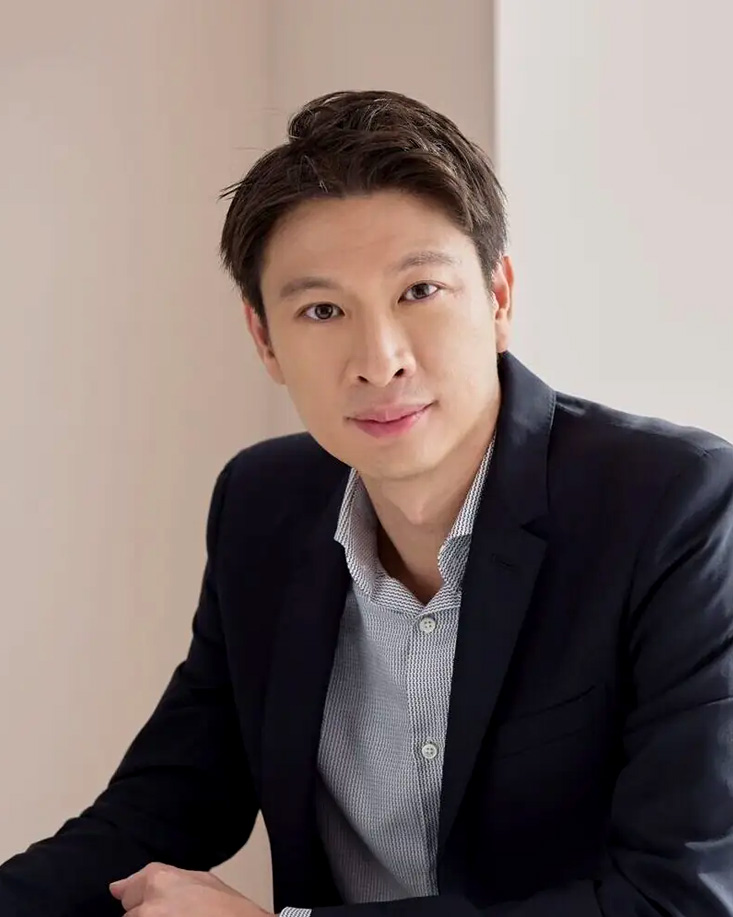
Dr Gerard Ee

Dr Gerard Ee is the Medical Director of The Clifford Clinic in Singapore. He earned his medical degree from St George's University of London and built his surgical experience across the Singapore General Hospital, National University Hospital, and Mount Sinai Hospital in New York. He holds Membership of the Royal College of Surgeons (Edinburgh) and a Postgraduate Diploma in Dermatology (Cardiff), and is fully accredited in aesthetic procedures including botulinum toxin, fillers, lasers, and light therapies. A strong advocate of minimally invasive, natural-looking results, Dr Ee has published in several medical and scientific journals and presented his research in cities including Taipei, Las Vegas, and London.
See all posts by Dr Gerard Ee »