




Tight Shoes to Bad Trims: What’s Causing Your Ingrown Toenail?
An ingrown toenail, medically termed onychocryptosis, is a painful condition where the edge of a toenail, most often on the great toe, grows into the surrounding skin, leading to discomfort, swelling, redness, and sometimes infection. This common foot problem can significantly impact daily activities if left untreated, making early recognition and care essential. The lateral side of the toe is more frequently affected than the medial side, and the condition is often diagnosed in schoolchildren, adolescents, young adults, and pregnant women due to their active lifestyles or physical changes. Epidemiologically, ingrown toenails are a significant concern, accounting for approximately 15-20% of foot-related complaints in primary care settings, with a higher prevalence among younger populations and those with predisposing factors. Studies suggest that improper nail care and tight footwear are leading contributors, particularly in active individuals or those with anatomical predispositions.
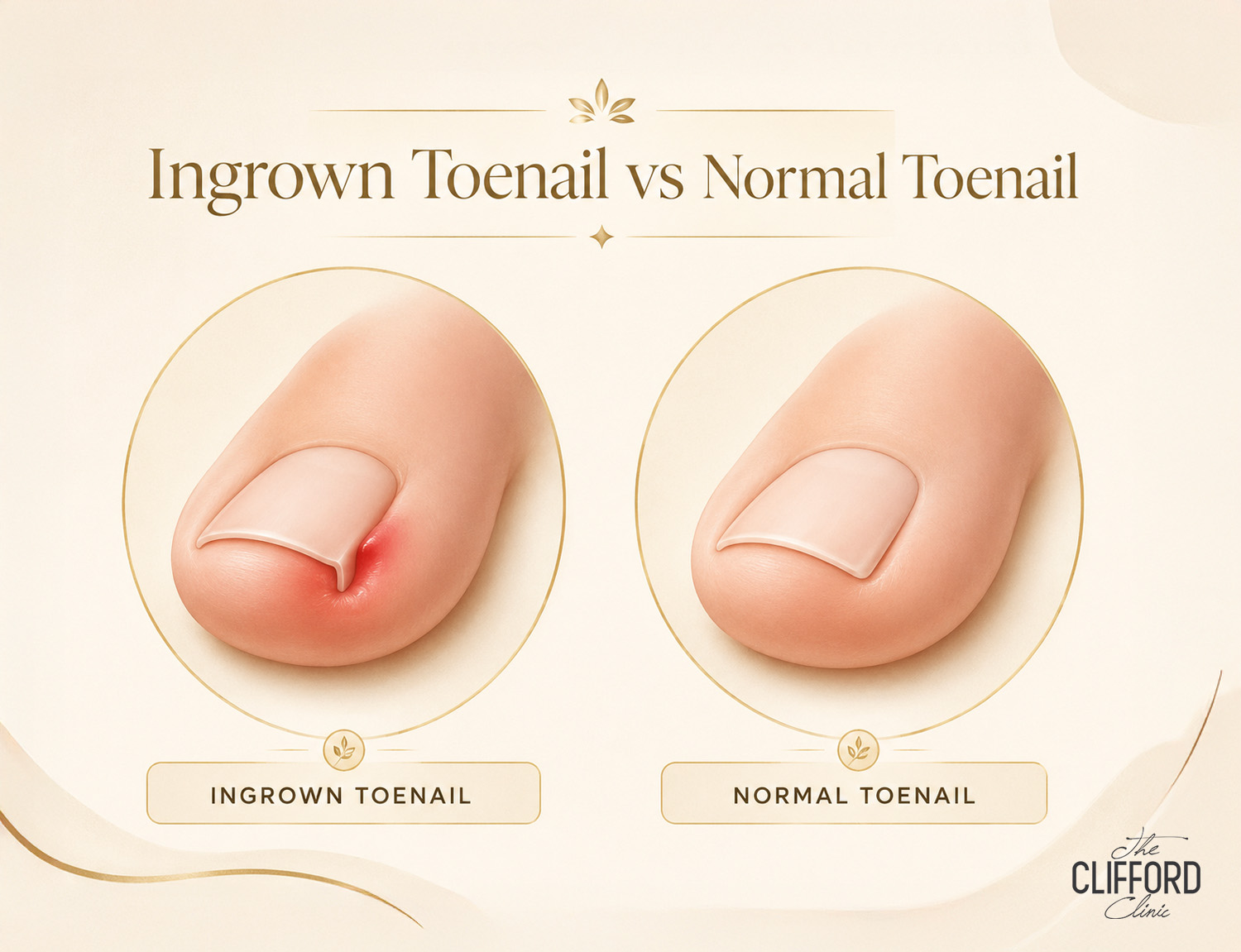
The causes of ingrown toenails are varied but often include poorly fitting shoes that compress the toes, improper nail trimming (such as cutting nails too short or rounding the edges), trauma from stubbing the toe, fungal infections, or hereditary factors that influence nail shape. These triggers can cause the nail to pierce the surrounding cuticle, prompting a foreign body reaction as the body responds to the keratinaceous nail material embedded in the skin. This reaction fuels inflammation, pain, and, in some cases, secondary infections. Addressing these causes early can prevent complications and improve outcomes for those affected.
Understanding the structure of the toenail is key to comprehending why ingrown toenails develop and how to manage them effectively. The anatomy of the nail, including its growth patterns and interaction with surrounding tissues, plays a critical role in both the onset and treatment of this condition. Exploring this anatomy provides valuable insight for prevention and care strategies.
Understanding the anatomy of the toenail
The toenail is a hard, protective structure primarily composed of keratin, a tough protein also found in skin and hair. It consists of several key parts:
- The nail plate, the visible hardened surface.
- The nail bed, the sensitive skin beneath that nourishes the nail.
- The nail matrix, which is located at the base under the cuticle, is where new nail cells are produced. and the
- Surrounding periungual skin
- Cuticle and lateral nail folds
The nail plate grows forward from the matrix at a rate of about 1-3 mm per month, with the great toe’s nail being thicker and slower-growing than others. The nail bed’s rich blood supply and nerve endings make it prone to pain when irritated, as seen in ingrown toenails when the nail plate pierces the lateral fold. This anatomical setup, particularly the curved shape of the nail and its tight integration with surrounding tissues, predisposes certain individuals to ingrown toenails, especially if external factors like tight footwear or improper trimming disrupt normal growth.
What are the causes of an ingrown toenail?
Ingrown toenails develop when the nail edge grows into the surrounding skin, causing pain and potential complications. Below is a detailed list of causes with elaborations, including relevant statistics and facts where applicable:
- Poorly Fitting Footwear: Tight or narrow shoes, especially those with pointed toes, compress the nail and surrounding skin, forcing the nail edge into the cuticle. High heels can exacerbate this by increasing pressure on the toes. Studies suggest that improper footwear is a leading cause, contributing to approximately 40-60% of ingrown toenail cases, particularly in adolescents and young adults who favor fashionable but restrictive shoes.
- Improper Nail Trimming: Cutting toenails too short or rounding the edges instead of trimming straight across encourages the nail to grow into the skin. This is a common cause, with podiatric research indicating that up to 30% of cases are linked to poor trimming techniques, especially in younger populations unfamiliar with proper nail care.
- Trauma to the Toe: Injuries such as stubbing the toe, dropping heavy objects, or repetitive pressure from activities like running or soccer can damage the nail or nail bed, altering growth patterns. Trauma is a significant factor, with clinical data suggesting it accounts for 20-25% of ingrown toenail presentations, particularly in athletes.
- Infections: Fungal or bacterial infections can cause swelling or thickening of the nail fold, increasing the likelihood of nail penetration. Fungal infections, in particular, are implicated in 10-15% of recurrent ingrown toenail cases, as they can deform the nail plate, making it more prone to ingrowing.
- Hereditary Factors: Genetic predisposition, such as naturally curved or thick nails (pincer nails), can increase susceptibility. Family history is noted in about 10% of cases, with certain nail shapes inherited, making some individuals more prone to ingrown toenails regardless of external factors.
These causes often interact, amplifying the risk. For example, tight shoes paired with improper trimming can significantly increase the likelihood of developing this condition. Addressing these factors through proper footwear, nail care, and early intervention can mitigate the risk and severity of ingrown toenails.
What are the symptoms of an ingrown toenail?
An ingrown toenail presents with symptoms that can worsen without treatment, impacting comfort and mobility. The primary symptom is pain or tenderness along the nail edge, typically on the lateral side of the great toe, where the nail digs into the skin, often worsening with walking or shoe pressure. As the condition progresses, the area may become red, swollen, and warm due to inflammation, sometimes accompanied by a throbbing sensation. A notable complication is the development of granulation tissue, a red, fleshy overgrowth around the nail that can bleed easily and heighten discomfort.
These symptoms occur when the nail plate grows improperly and fails to align within the nail groove, its sharp edges can penetrate the surrounding skin, triggering a foreign body reaction. This reaction sparks inflammation, leading to symptoms such as pain, redness, swelling, pus formation, and, in some cases, the development of granulation tissue, a fleshy, bleeding overgrowth. These effects cause significant discomfort and, if untreated, may lead to further complications.
What are the complications of an ingrown toenail?
Ingrown toenails, if left untreated, can lead to several complications that impact foot health and comfort. Below is a list of key complications:
- Infection: Bacteria can enter where the nail pierces the skin, causing redness, swelling, and pus discharge. Approximately 20% of untreated cases develop infections, increasing discomfort and requiring medical attention.
- Cellulitis: A deeper bacterial skin infection may develop, marked by spreading redness, warmth, and pain. This condition often needs systemic antibiotics to prevent further spread.
- Abscess: Severe cases can lead to localized pus buildup, forming an abscess that may require surgical drainage for relief and to prevent worsening infection.
- Osteomyelitis: Though rare (less than 1% of cases), this serious bone infection can occur if bacteria spread from the soft tissue to the bone, often necessitating surgery and prolonged antibiotics, especially in immunocompromised individuals.
- Recurrence: Ingrown toenails can return, with recurrence rates of 20-30% in non-surgical treatments, particularly if root causes like improper nail trimming or tight footwear are not corrected.
These complications emphasize the need for prompt treatment to avoid escalation and support effective recovery.
Wrapping Up: Understanding Ingrown Toenails
Ingrown toenails are a common yet painful foot condition where the nail edge grows into the surrounding skin, causing discomfort, swelling, and potential complications like infections or granulation tissue. Predominantly affecting the great toe, this issue is prevalent among schoolchildren, adolescents, young adults, and pregnant women, accounting for 15-20% of foot-related complaints in primary care.
Key causes include tight footwear, improper nail trimming, trauma, infections, and hereditary factors, which can trigger a foreign body reaction, leading to inflammation and symptoms like pain, redness, and pus.
The toenail’s anatomy—comprising the nail plate, bed, matrix, and periungual skin—plays a critical role in why these issues arise, as its curved shape and growth patterns can exacerbate ingrowth under external pressures.
Complications such as cellulitis, abscess, osteomyelitis, and recurrence (with rates of 20-30% in non-surgical cases) highlight the importance of addressing root causes early. By understanding the anatomy, causes, symptoms, and potential complications, individuals can take proactive steps like wearing proper footwear and practicing correct nail care to prevent or manage this condition effectively.
If you’re experiencing persistent pain or signs of an ingrown toenail, please contact the Clifford Clinic for expert care and personalized treatment to restore your foot health.

Author Bio
Dr Gerard Ee

Dr Gerard Ee is the Medical Director of The Clifford Clinic in Singapore. He earned his medical degree from St George's University of London and built his surgical experience across the Singapore General Hospital, National University Hospital, and Mount Sinai Hospital in New York. He holds Membership of the Royal College of Surgeons (Edinburgh) and a Postgraduate Diploma in Dermatology (Cardiff), and is fully accredited in aesthetic procedures including botulinum toxin, fillers, lasers, and light therapies. A strong advocate of minimally invasive, natural-looking results, Dr Ee has published in several medical and scientific journals and presented his research in cities including Taipei, Las Vegas, and London.
See all posts by Dr Gerard Ee »