

What AGNES Acne Treatment Can Do for Recurring and Cystic Acne
Although acne begins during adolescence and puberty, it can still occur during adulthood. Acne is mainly caused by sebaceous glands in the skin follicles that produce excessive oil and become inflamed. When the oily matter, called sebum, begins to clog the pores along with dead skin cells, bacteria on the skin will multiply and lead to acne. Comedones and pimples can also progress to nodules and cyst formation, and eventually scarring.
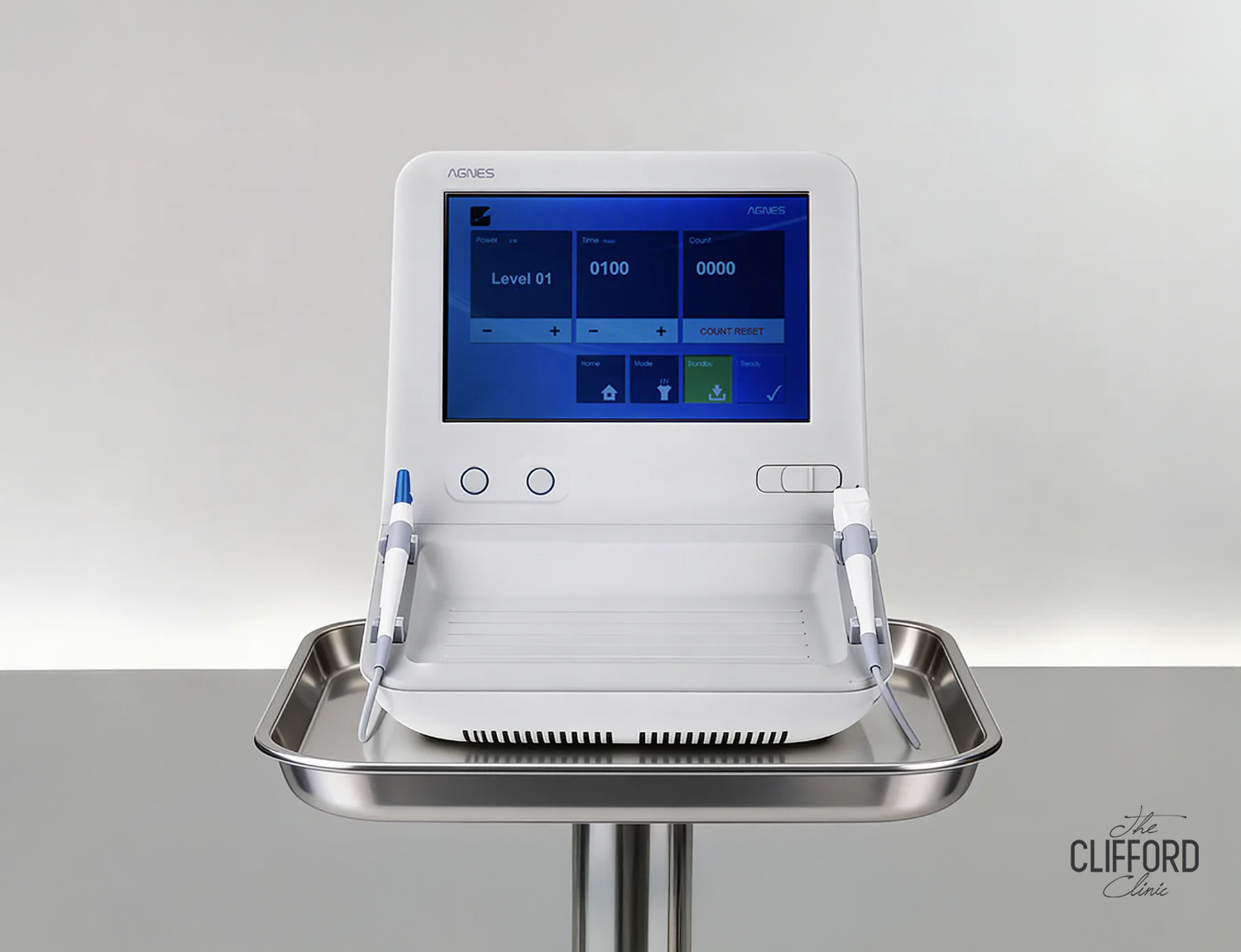
Because the gland is where acne begins, treatments that reduce the gland’s activity produce the most durable results. AGNES developed by Korean dermatologists, does this one follicle at a time by ablating the sebaceous gland of a problem pore with radiofrequency heat, which is why it is offered for recurring and cystic acne rather than for a generally oily face.
How Does It Work?
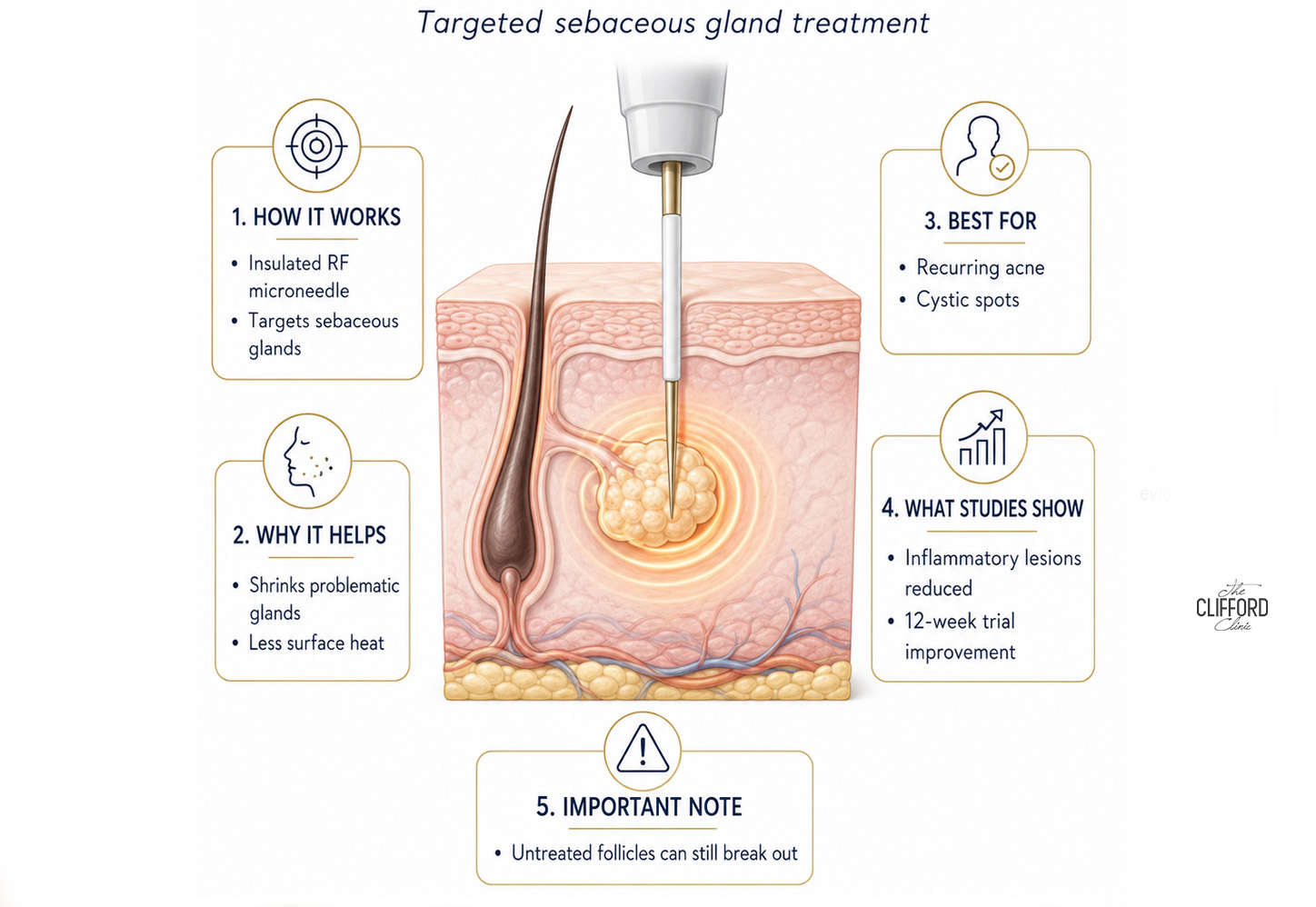
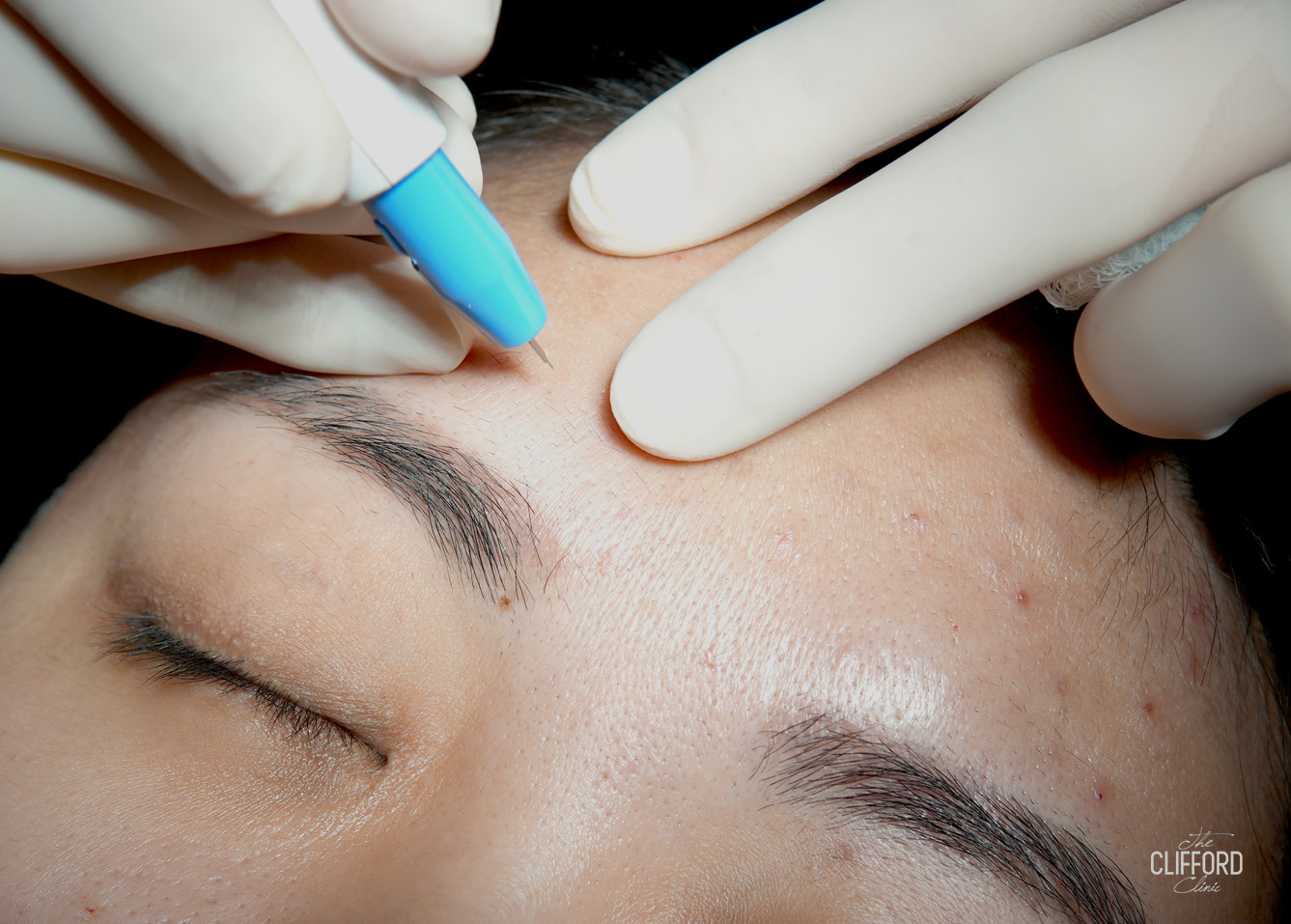
This unique technology delivers radiofrequency energy through special tiny partially insulated needles directly into sebaceous glands to destroy problematic ones without causing skin burns or scarring on the skin. Once a gland has been treated, that follicle is less likely to produce further lesions. In the randomised trial, treated patients’ inflammatory lesion counts fell over 12 weeks. Follicle-level durability beyond that has not been formally measured, and new lesions can still arise in follicles that have not been treated.
Available in aesthetic clinics in Singapore, AGNES was developed as it was discovered that it was always the same few pores that were repeatedly blocked and later, cause the acne breakouts. By ablating the gland beneath exactly those pores, AGNES treats chronic recurring acne and cystic acne at their source without thermal injury to the surface
The evidence for AGNES acne treatment”, after the How It Works section
The key study is a prospective randomised controlled trial of 63 acne patients treated with a single-microneedle radiofrequency device for selective sebaceous-gland electrothermolysis. At 12 weeks the treated group’s inflammatory lesion count had fallen by 17.2 per patient, compared with 3.2 in the control group, a difference that was statistically significant. Supporting evidence comes from a one-year follow-up of non-ablative monopolar radiofrequency, which showed continued improvement to 12 months with only transient redness and swelling, though as a single-arm study it cannot separate the device effect from the natural course of the acne.
Safety in Asian and darker skin has been examined specifically for radiofrequency devices. A systematic review of 35 studies in Fitzpatrick skin types III to VI found transient post-inflammatory hyperpigmentation reported in seven studies and lasting scarring in one, and concluded that the overall risk of pigment change is low. Because AGNES releases its energy at an insulated tip below the epidermis rather than across the surface, it sits at the lower-risk end of that group.
The evidence base for AGNES is narrow: one randomised controlled trial of 63 patients followed to 12 weeks, supported by a single-arm one-year study and mechanistic work. There is no long-term randomised data, and the 2024 American Academy of Dermatology acne guideline concluded that the evidence for procedural treatments as a group is insufficient to support a formal recommendation.”
Key Benefits
- Short recovery: redness and mild swelling at each treated pore for a few day
- Lower recurrence in the follicles that have been treated; new lesions can still arise in untreated follicles
- The insulated needle releases its heat below the surface, so the epidermis is spared. As with any needle procedure there is a small risk of bruising, pigment change or infection
- No oral medication is involved, so the systemic side effects of oral acne drugs do not apply
- Also used for other follicle-based problems such as enlarged pores and blackheads, since the same needle can be applied to a congested pores
The Procedure
A topical anaesthetic cream is applied first, so that most patients feel pressure rather than pain. The skin is cleansed and the excess sebum extracted. A fine micro-needle delivering a monopolar radiofrequency current is then inserted into the follicle to ablate the sebaceous gland at its base. A second, gentler session the next day uses a surface probe with bipolar radiofrequency to clear remaining debris from the pores.”
A decrease of 50% to 70% of acne breakouts can be expected after the first treatment, and by the third session, most will achieve up to 90% clearance, though some variation may occur from patient to patient. Pimples don’t form again in the treated follicles and over time the number of new lesions reduces.
Who suits AGNES acne treatment, and who suits something else
AGNES is chosen for precision. It suits the patient with a limited number of persistently recurring lesions, typically nodules or cysts that re-form in the same pores every few weeks, and the patient with a few stubborn congested pores who has already brought the rest of the face under control. It is less suited to diffuse oily skin with dozens of small lesions, because each follicle is treated individually, and it is not usually the option discussed first in pregnancy. For widespread acne across the whole face, Gold PTT and the AviClear 1726 nm laser act on the sebaceous glands without needling each one; AviClear’s manufacturer lists pregnancy as a contraindication.”
Full details of the device, pricing and preparation are on our AGNES service page, and how it fits into a wider plan with medication and other devices is covered under acne treatment in Singapore. At your consultation Dr Ee will map which follicles are recurring, and if scars have already formed those are planned as a separate stage. Book an appointment to discuss whether AGNES suits your pattern of acne
Frequently Asked Questions
How does AGNES stop acne from coming back in the same pore?
AGNES inserts an insulated micro-needle into the recurring pore and releases radiofrequency heat only at the tip, inside the sebaceous gland. The gland is ablated, so that follicle is less likely to produce the sebum that fed its lesions. In the randomised trial, inflammatory lesions fell by 17.2 per patient at 12 weeks against 3.2 in controls. New lesions can still arise in untreated follicles, which is why two to three sessions are planned.”
Does AGNES hurt, and is there downtime?
A topical anaesthetic cream is applied before treatment, so most patients feel pressure rather than pain during the needle insertions. Afterwards each treated pore is red and slightly swollen for a few days, and a second, gentler bipolar session the next day clears remaining debris. Most people return to work the same or next day.”
Is AGNES safe for darker or Asian skin?
The insulated needle releases heat below the epidermis rather than across the surface, which limits pigment risk. A systematic review of 35 studies of radiofrequency in Fitzpatrick types III to VI found only transient hyperpigmentation in seven studies and lasting scarring in one, and rated the overall dyspigmentation risk low.”
Can AGNES be done while I am on acne medication or pregnant?
AGNES can be combined with topical retinoids and, with your doctor’s guidance, with oral treatment. It is not usually the option discussed first in pregnancy or breastfeeding; Gold PTT is the option more often discussed — a personal clinical position, not a safety claim. No device has pregnancy-specific evidence, and AviClear’s manufacturer lists pregnancy as a contraindication.”
How is AGNES different from RF microneedling for scars?
Both use radiofrequency, but AGNES uses a single insulated needle to ablate the sebaceous gland of one follicle at a time, while RF microneedling devices such as Infini use an array of needles to heat the dermis broadly and build collagen in scars. One treats the cause of active acne, the other remodels the scar it left.”
References
- Reynolds RV, Yeung H, Cheng CE, et al. Guidelines of Care for the Management of Acne Vulgaris. Journal of the American Academy of Dermatology. 2024;90(5):1006.e1–1006.e30.
- Ly S, Kamal K, Manjaly P, Barbieri JS, Mostaghimi A. Treatment of Acne Vulgaris During Pregnancy and Lactation: A Narrative Review. Dermatology and Therapy. 2023;13(1):115–130.
- Walsh TR, Efthimiou J, Dréno B. Systematic Review of Antibiotic Resistance in Acne: An Increasing Topical and Oral Threat. The Lancet Infectious Diseases. 2016;16(3)–e33.
- U.S. Food and Drug Administration. Sebacia Microparticles: 510(k) Premarket Notification K181518. 2018.
- Paithankar D, Hwang BH, Munavalli G, et al. Ultrasonic Delivery of Silica–Gold Nanoshells for Photothermolysis of Sebaceous Glands in Humans: Nanotechnology from the Bench to Clinic. Journal of Controlled Release. 2015;206:30–36.
- Paithankar DY, Sakamoto FH, Farinelli WA, et al. Acne Treatment Based on Selective Photothermolysis of Sebaceous Follicles with Topically Delivered Light-Absorbing Gold Microparticles. Journal of Investigative Dermatology. 2015;135(7):1727–1734.
- Fuchs CSK, Bay C, Adatto M, Lomholt H, Haedersdal M. Acne Treatment with Light-Absorbing Gold Microparticles and Optical Pulses: An Open-Label European Multicentred Study in Moderate to Moderately Severe Acne Vulgaris Patients. Lasers in Surgery and Medicine. 2019;51(8):686–693.

Author Bio
Dr Gerard Ee

Dr Gerard Ee is the Medical Director of The Clifford Clinic in Singapore. He earned his medical degree from St George's University of London and built his surgical experience across the Singapore General Hospital, National University Hospital, and Mount Sinai Hospital in New York. He holds Membership of the Royal College of Surgeons (Edinburgh) and a Postgraduate Diploma in Dermatology (Cardiff), and is fully accredited in aesthetic procedures including botulinum toxin, fillers, lasers, and light therapies. A strong advocate of minimally invasive, natural-looking results, Dr Ee has published in several medical and scientific journals and presented his research in cities including Taipei, Las Vegas, and London.
See all posts by Dr Gerard Ee »